
Bits & Bytes: The IT Chronicles
Why Customer Intelligence Is Retail’s Biggest Competitive Advantage
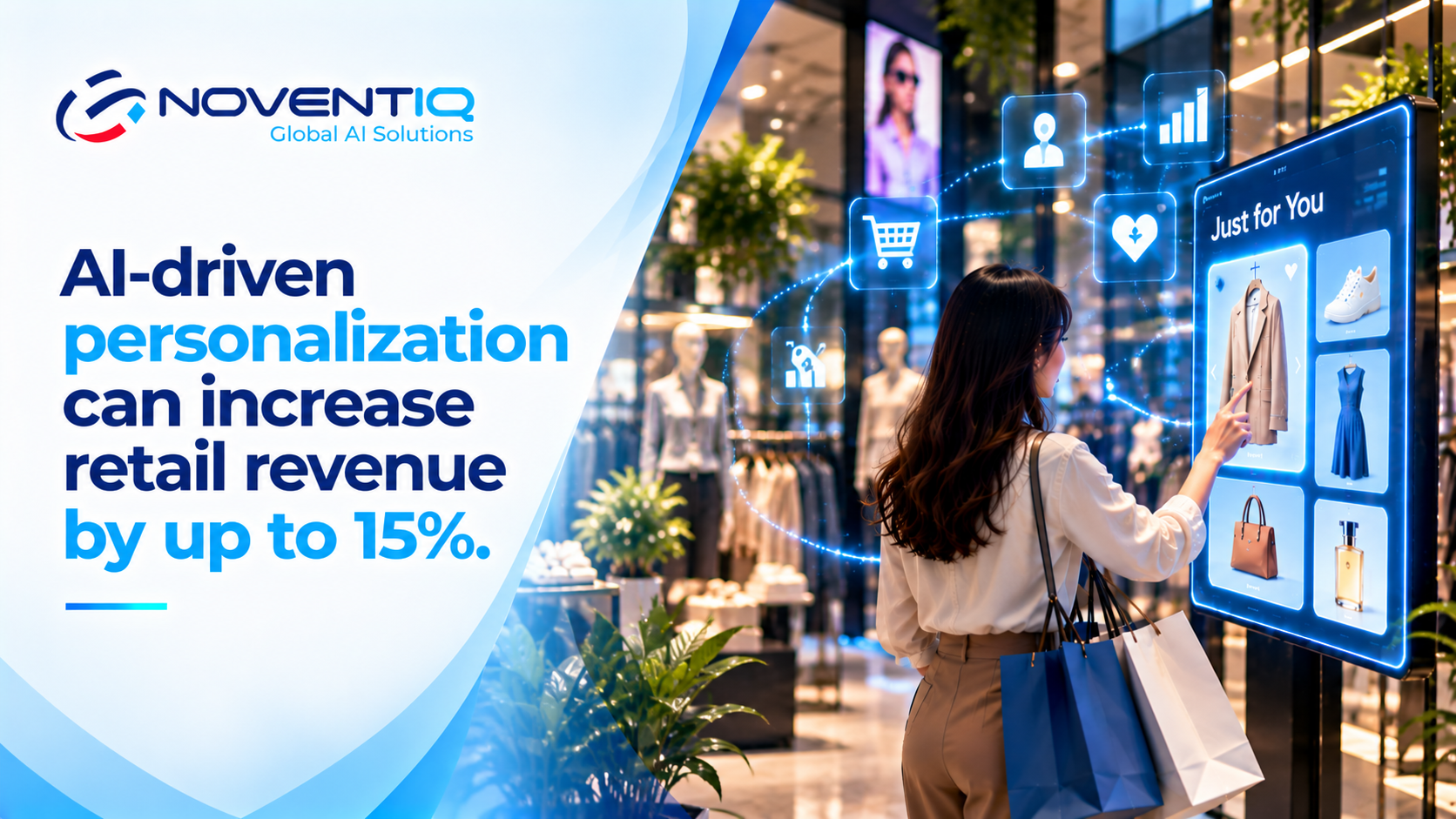
Retail has always been about understanding customers.
For decades, retailers relied on purchase history, loyalty programs, and seasonal trends to predict customer behavior. Those insights shaped everything—from inventory planning and promotions to merchandising and customer engagement.
But today’s customers don’t behave the same way.
They browse on one device, purchase on another, abandon carts midway, expect instant support, compare prices in real time, and interact with brands across multiple digital and physical channels.
The challenge isn’t the lack of customer data.
It’s the inability to connect those interactions into meaningful business decisions.
The retailers leading the next decade won’t simply know who their customers are.
They’ll understand what customers are likely to do next.
That’s the difference between customer data and customer intelligence.
Personalization Is No Longer Enough
Personalized recommendations have become the norm.
Customers now expect retailers to remember preferences, recommend relevant products, and deliver consistent experiences across every touchpoint.
While personalization remains valuable, it no longer creates meaningful competitive differentiation.
The real opportunity lies in helping every business function make smarter decisions using customer intelligence.
Imagine a retailer that can identify when a customer is likely to churn before they stop purchasing.
Or recognize demand shifts before products go out of stock.
Or dynamically optimize promotions based on purchasing behavior, inventory levels, and market conditions.
That’s no longer personalization.
That’s intelligent retail.
AI Is Transforming Every Customer Decision
Retailers today generate enormous amounts of customer data through websites, mobile applications, loyalty programs, stores, customer service interactions, and supply chain operations.
The challenge isn’t collecting more information.
It’s transforming that information into decisions that improve business outcomes.
AI is enabling retailers to move beyond historical reporting by helping answer questions that directly impact revenue and customer experience.
Which customers are most likely to purchase again?
Which promotions are driving incremental revenue rather than reducing margins?
Which products should be recommended together?
Where is demand likely to increase next week?
Which customers require proactive engagement before abandoning their purchase journey?
These insights allow organizations to act proactively rather than reactively.
Intelligent Retail Extends Across The Entire Business
Customer intelligence influences far more than marketing.
Merchandising teams can anticipate changing buying patterns and optimize assortments accordingly.
Supply chain teams can align inventory with predicted demand, reducing stockouts and excess inventory.
Customer support teams can leverage AI-powered assistants to resolve issues faster while delivering more contextual experiences.
Sales and e-commerce teams can create personalized shopping journeys that evolve in real time instead of relying on static recommendation engines.
Business leaders gain access to predictive insights that improve pricing strategies, campaign performance, and overall profitability.
AI becomes valuable not because it automates a single task—but because it enables better decisions across the retail ecosystem.
Why Many Retail AI Initiatives Fall Short
Many retailers have invested in AI tools, recommendation engines, and customer analytics platforms.
Yet relatively few have transformed how decisions are made.
The reason is surprisingly simple.
AI performs best when customer, operational, and inventory data work together.
When information remains fragmented across CRM platforms, e-commerce systems, ERP applications, marketing tools, and store operations, AI can only provide partial insights.
Successful retailers focus on building connected ecosystems where cloud, data platforms, AI, and business applications continuously exchange information.
This creates a unified view of the customer while enabling faster, more accurate decision-making across the organization.
The Future of Retail Will Be Driven By Customer Intelligence
Retail competition is no longer defined solely by product selection or pricing.
Customers increasingly choose brands that understand their needs, anticipate their expectations, and deliver consistent experiences across every interaction.
AI is making this possible.
Not by replacing retail teams, but by equipping them with intelligence they couldn’t access before.
The retailers creating long-term competitive advantage won’t necessarily have the most sophisticated recommendation engines.
They’ll have the strongest customer intelligence capabilities powering every business decision.
Final Thoughts
Customer data has never been more abundant.
Yet competitive advantage doesn’t come from collecting more information.
It comes from knowing what actions to take next.
Retail organizations that combine AI with cloud, data, analytics, and intelligent applications are moving beyond personalization toward something far more valuable—customer intelligence.
Because in modern retail, the brands that understand customers best won’t just improve experiences.
They’ll shape the future of commerce.
Ready to Build Intelligent Retail Experiences?
At Noventiq Global AI Solutions, we help retailers harness AI, cloud, data, analytics, and modern applications to transform customer insights into measurable business outcomes.
From AI-powered shopping assistants and customer intelligence platforms to demand forecasting and intelligent recommendations, we help organizations build retail experiences that scale with confidence.
Connect with our experts today.